

Although making your homemade jerky has many benefits, there is a drawback — the jerky that comes from your kitchen doesn’t come with an expire-date.
When buying store-bought jerky that’s kept under proper conditions, you could realistically expect a shelf life between one and two years.
That’s a long time to have some jerky on hand.
Homemade jerky has a much shorter lifespan, however.
Some estimates point to three months, while others give you a little longer than a week.
So why the disparity, and what can you expect?
As always, the average between these two extremes is closer to the truth. The actual length of time depends on how you store the jerky and other factors related to how the jerky was made in the first place.

- Tender beef offers a softer chew than very dry jerky styles.
- Natural wood smoke and a touch of sweetness create a classic flavor.
- Eight-ounce bag provides multiple portions for lunches and snack breaks.
The length of time jerky will remain fresh also depends on how long you let the meat dry once your jerky is finished. If you leave the jerky out in the cool air for longer periods of time, the meat will become drier. Drier meat has a longer shelf life.
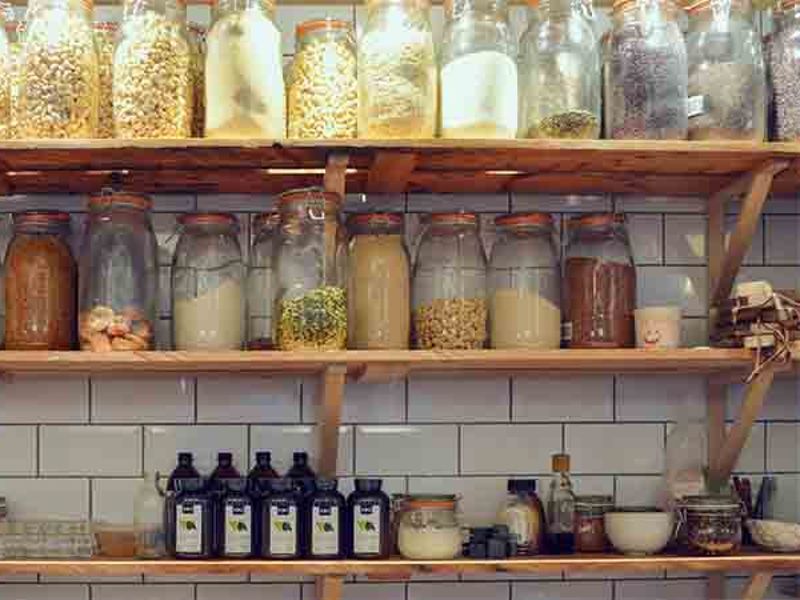
If you store jerky in a Ziploc bag, you can expect a meager one week to four months, varied by the recipe and method used. If you want your jerky to stay fresh for longer, you should store the finished product in vacuum-sealed bags. Then, the shelf life extends to three to six months without refrigeration.
If you store the jerky in the freezer, you can expect it to stay fresh for several years. You then simply have to defrost the meat before consuming it.
Still, it is best to check on your jerky so that you know if it is going bad.
So, Why Does Beef Jerky Last so Long Anyway?
There are three main reasons why jerky has longer durability than traditional meat. These harken back to its original purpose of being a long-lasting food for nomads on the constant path who may not always find fresh meat sources.
The first is that the meat used to make jerky is very lean and trimmed off all fat before the process begins. Using meat with a higher fat content will significantly reduce the length of time jerky remains fresh.
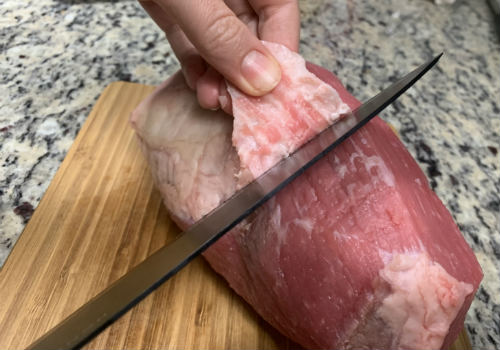
The second is that the meat is dried, which will remove the liquid from the beef. Bacteria grow in moist places, which means that dry meat will stave off infection.
The third is that the salt used to make the jerky serves as a natural preservative.
Also, if you have hot pepper in your beef jerky recipe, you can expect to jerky to last longer. This is because hot pepper contains capsaicin which kicks most bacteria to the curb.
This extended eatable period of a week to several months is why jerky was invented in the first place and why it has remained so popular from its inception.
Jerky for Survival: Shelf Life, Storage, and Uses (Video)
Related Questions
1. Why does homemade jerky have a shorter lifespan compared to store-bought jerk?
Homemade jerky typically has a shorter lifespan because of factors like storage method, recipe, and drying time. Unlike store-bought jerky, which can last between one to two years, homemade jerky lasts around a week to a few months, depending on these factors.
2. How can you extend the shelf life of your homemade jerky?
To extend the shelf life of homemade jerky, you should store the finished product in vacuum-sealed bags. If stored this way, the jerky can last from three to six months without refrigeration. For an even longer shelf life, consider freezing the jerky.
3. How does the drying process affect the shelf life of jerky?
The drying process is crucial in preserving jerky. The longer the jerky is left to dry in cool air, the drier the meat becomes, resulting in a longer shelf life.
4. What are the main reasons that beef jerky lasts so long?
The long shelf life of jerky is due to three main factors. First, the meat used for jerky is lean and trimmed of all fat, which tends to spoil quickly. Second, the meat is dried, removing moisture that bacteria need to grow. Third, the salt used in the jerky-making process serves as a natural preservative.
5. How does hot pepper contribute to the shelf life of beef jerky?
Hot pepper in a beef jerky recipe can extend its shelf life. This is due to the capsaicin in hot pepper, which has antibacterial properties.
QUOTE:
"You might be a redneck if you think that beef jerky and moon pies are two of the major food groups."
4 Ways to Store Jerky and When to Use Them
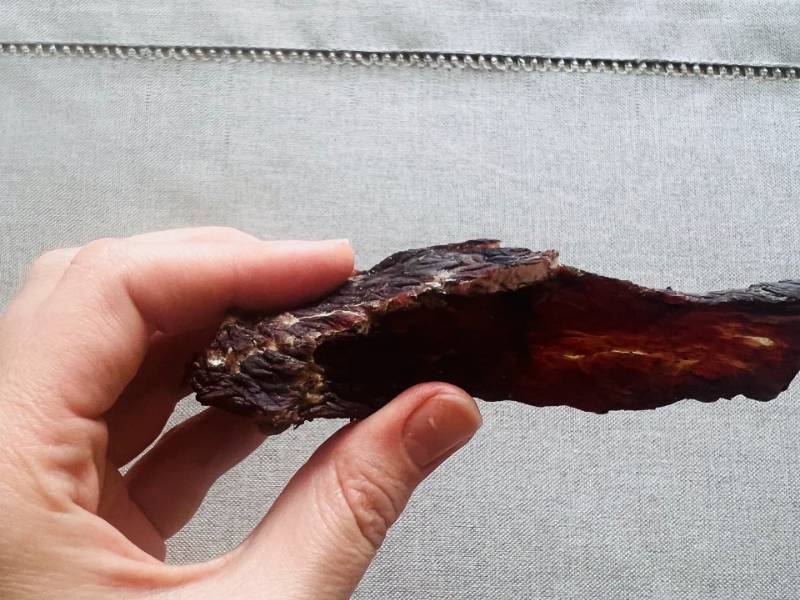
Is Your Beef Jerky Still Safe? How to Find Out if It Has Spoiled
About the Author
Charles Joseph
In 2017, a good friend introduced me to the most amazing beef jerky I had ever tasted. And his source was from the most unexpected of places--a random guy in Thailand whom he had met while living there. Although I had been eating jerky since as far back as I could remember, I was genuinely blown away by the flavor. I realized the best beef jerky doesn't come from a store. This experience inspired me to create Beef Jerky Hub and put into writing all the things I've since learned about this amazing food. If you're interested, you can read more about my story here.